
Used Japanese Injection Moulding Machines: Why They Are In High Demand
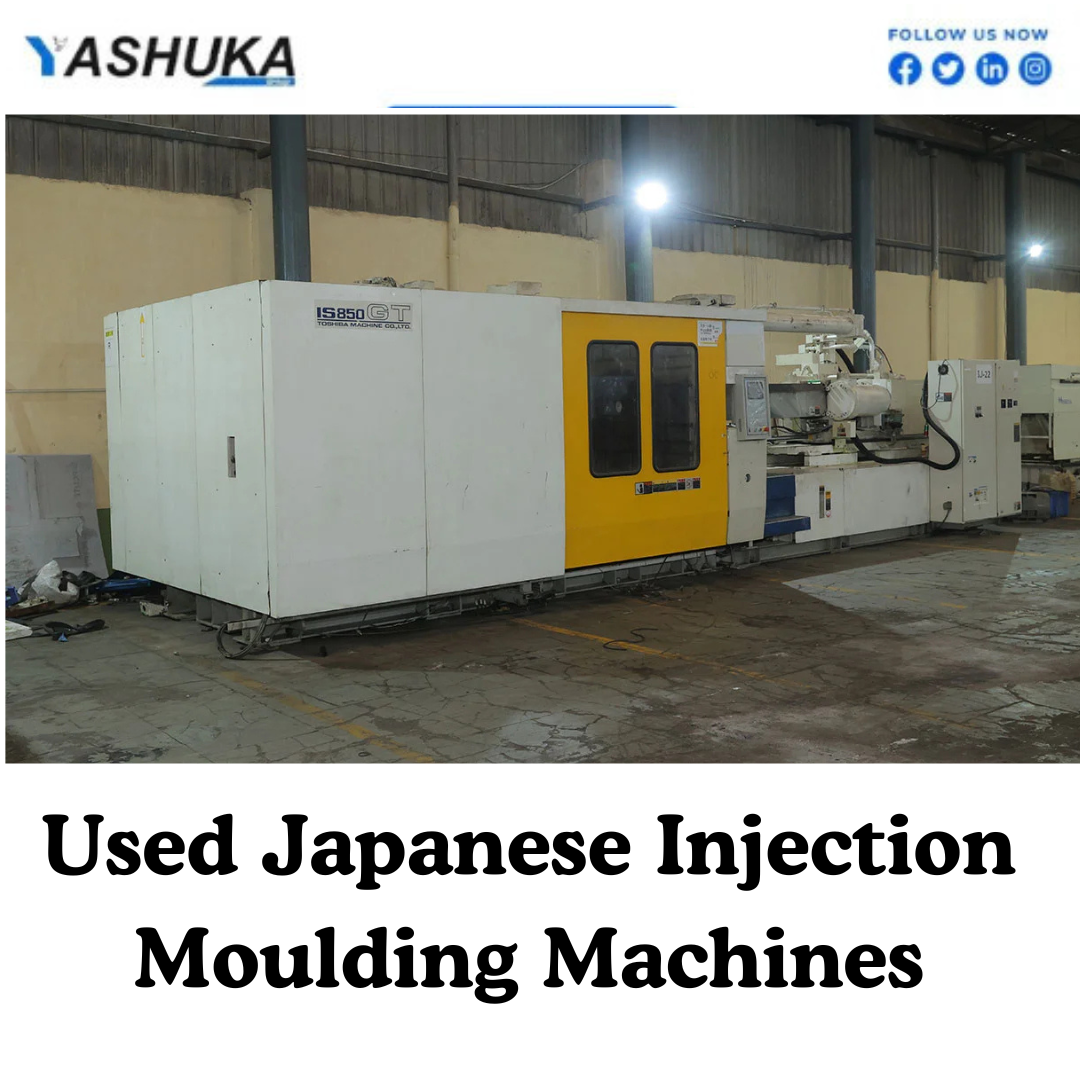
Used Japanese Injection Moulding Machines: Why They Are In High Demand
Why Used Japanese Injection Moulding Machines Are in Demand
The plastic manufacturing industry in India has witnessed tremendous growth over the past decade. As businesses scale up production, the demand for reliable and efficient machinery continues to rise. Among the various options available, used Japanese plastic injection moulding machines have emerged as a preferred choice for manufacturers across the country. Whether you're looking at imported plastic injection moulding machines or specific models from renowned manufacturers, understanding what makes these machines exceptional is crucial for making the right investment decision.
Why Used Japanese Plastic Injection Moulding Machines Are Still the Best Choice
When it comes to injection moulding equipment, Japanese engineering has set a benchmark that few can match. Even after extensive use, a Japanese made injection moulding machine (used) often outperforms brand-new machines from other countries.
The secret lies in the meticulous manufacturing process. Japanese manufacturers like Nissei, Fanuc, Toshiba, and Sumitomo have built their reputation on precision engineering and quality control. These machines are designed to run continuously for decades, not just years. The robust construction, superior materials, and advanced technology ensure that a well-maintained used machine can deliver performance comparable to newer models.
Cost-effectiveness is another compelling reason. A used injection moulding machine from Japan can cost 40-60% less than a new one while offering 80-90% of the original performance. For small and medium enterprises, this represents significant savings without compromising on quality.
Moreover, Japanese machines retain their resale value remarkably well. This means your investment remains protected even after years of operation. The availability of spare parts and technical documentation makes maintenance straightforward, ensuring minimal downtime.
Key Technologies That Make Japanese Injection Moulding Machines Superior
Understanding what sets Japanese machines apart requires looking at the technology embedded in them. These aren't just mechanical devices; they're sophisticated systems engineered for precision.
- Advanced Servo Motor Systems: Most Japanese machines feature high-precision servo motors that offer exceptional control over injection speed, pressure, and position. This translates to better product quality and reduced material waste.
- Precision Clamping Mechanisms: The toggle or hydraulic clamping systems in Japanese machines are engineered to distribute pressure evenly across the mold. This ensures consistent part quality and extends mold life significantly.
- Energy Efficiency: Japanese manufacturers pioneered energy-saving technologies in injection moulding. Even older imported plastic injection moulding machines often consume 30-50% less energy compared to conventional machines from other origins.
- Intelligent Control Systems: The computerized control panels on Japanese machines offer intuitive operation with real-time monitoring capabilities. Parameters can be adjusted with precision, and historical data helps optimize production cycles.
- Superior Screw and Barrel Design: The plasticizing unit in Japanese machines features hardened, precision-ground screws and barrels. This ensures uniform melting, better mixing, and longer component life.
Popular Models: Understanding Industry-Leading Machines
Several specific models have become particularly popular in the Indian market due to their proven reliability and performance:
- TOSHIBA GN IS170
The TOSHIBA GN IS170 represents one of the most sought-after models in the used machine market. TOSHIBA GN IS170 manufacturers engineered this machine with advanced hydraulic systems and precision controls that make it ideal for medium-tonnage applications. Known for its energy efficiency and consistent shot accuracy, the TOSHIBA GN IS170 handles a wide range of plastic materials with excellent repeatability. Its robust construction ensures decades of reliable operation, making it a favorite among manufacturers producing automotive components, consumer goods, and technical parts.
- NESSEI FN 2000 120 TON
When discussing precision injection moulding, the NESSEI FN 2000 120 TON stands out as an exceptional choice. NESSEI FN 2000 120 TON manufacturers designed this machine specifically for applications requiring tight tolerances and superior finish quality. The 120-ton clamping force makes it versatile for medium-sized parts, while Nissei's renowned servo-hydraulic technology ensures minimal energy consumption. This model is particularly popular in the medical device, electronics, and precision components sectors where quality cannot be compromised.
- JSW Ell 350 TON
For heavy-duty production requirements, the JSW Ell 350 TON delivers outstanding performance. JSW Ell 350 TON manufacturers have built a reputation for creating machines that handle large, complex molds with ease. The 350-ton capacity makes it suitable for automotive parts, industrial components, and large consumer products. JSW's electric-driven technology in the Ell series provides exceptional energy savings—often reducing power consumption by up to 60% compared to hydraulic machines—while maintaining the precision and reliability that Japanese engineering is known for.
- KAWAGUCHI KM 220
The KAWAGUCHI KM 220 represents excellent value in the mid-range tonnage category. KAWAGUCHI KM 220 manufacturers focused on creating a machine that balances performance with operational simplicity. This model is particularly appreciated by manufacturers who need reliable production without complex controls. The KM 220's straightforward maintenance requirements and robust hydraulic system make it ideal for three-shift operations. It's commonly used in packaging, household products, and general industrial applications where dependable performance matters more than cutting-edge features.
New vs Used Japanese Injection Moulding Machines: Cost, Performance & ROI Comparison
Making the right investment decision requires understanding the trade-offs between new and used equipment. Let's break down the comparison:
- Initial Investment: A new Japanese machine can cost anywhere from ₹25 lakhs to several crores depending on capacity. A comparable used Japanese injection moulding machine in India might cost 40-60% less, freeing up capital for other business needs.
- Performance Metrics: A well-maintained used machine typically retains 80-90% of its original performance. For most applications, this difference is negligible and doesn't impact production quality or speed significantly.
- Depreciation: New machines depreciate rapidly in the first few years. Used machines have already undergone this steep depreciation curve, meaning your asset value remains more stable over time.
- ROI Timeline: With lower upfront costs, used machines often achieve break-even within 12-18 months, compared to 3-4 years for new equipment. This faster ROI allows businesses to reinvest profits sooner.
- Technology Factor: While new machines come with the latest features, most production requirements don't need cutting-edge technology. The proven technology in used imported plastic injection moulding machines is often more reliable and easier to maintain.
- Availability: Used machines are immediately available, allowing you to start production quickly. New machines may have waiting periods of several months due to manufacturing and shipping schedules.
Things to Check Before Buying a Used Japanese Plastic Injection Moulding Machine
Purchasing used equipment requires due diligence. Here's a comprehensive checklist to ensure you make a smart investment:
- Machine History and Documentation: Request complete service records, maintenance logs, and operational history. A transparent used Japanese injection moulding machine supplier will provide detailed documentation showing how the machine was used and maintained.
- Physical Inspection: Examine the machine thoroughly for signs of wear, corrosion, or damage. Pay special attention to the clamping unit, injection unit, and hydraulic system. Look for oil leaks, unusual sounds, or vibrations.
- Hour Meter Reading: Check the total operating hours. Japanese machines are built to last 100,000+ hours, but machines with lower hours naturally have more remaining life.
- Test Run: Always insist on a trial run with actual production. This helps identify issues that might not be apparent during a static inspection. Test different cycle times and pressures to assess performance.
- Screw and Barrel Condition: These are critical components. Request a borescope inspection of the barrel interior and measure screw diameter to assess wear. Replacement can be expensive, so factor this into negotiations.
- Electrical and Control Systems: Test all functions through the control panel. Ensure sensors, limit switches, and safety systems work correctly. Check if software can be updated if needed.
- Hydraulic System: Check oil condition, pump performance, and valve operation. Contaminated oil or weak pumps can lead to performance issues and costly repairs.
- Mold Compatibility: Verify that the machine's specifications match your mold requirements, including platen size, tie-bar spacing, and tonnage capacity.
Why Indian Manufacturers Prefer Japanese Injection Moulding Machines
The Indian manufacturing sector's preference for Japanese equipment isn't accidental—it's based on practical advantages that directly impact the bottom line.
- Reliability in Demanding Conditions: Indian factories often operate in challenging environments with power fluctuations, high temperatures, and extended shift patterns. Japanese machines are engineered to handle such conditions without compromising performance.
- Lower Total Cost of Ownership: While the initial price might be higher than some alternatives, Japanese machines deliver lower operating costs through better energy efficiency, reduced maintenance, and longer component life.
- Product Quality Consistency: For manufacturers serving export markets or quality-conscious domestic clients, the precision of Japanese machines ensures consistent product quality that meets international standards.
- Technical Support Ecosystem: The popularity of used Japanese injection moulding machine manufacturers in India has created a robust ecosystem of technicians, spare parts suppliers, and service providers who understand these machines intimately. Whether you need parts for TOSHIBA GN IS170 manufacturers equipment or service for NESSEI FN 2000 120 TON manufacturers machines, expert support is readily available.
- Proven Track Record: Decades of successful operation in Indian industries have established Japanese machines as trusted workhorses. This reduces risk for buyers who can reference countless success stories.
- Scalability: As businesses grow, Japanese machines can often be retrofitted or upgraded rather than replaced entirely, making them a scalable solution for expanding operations.
Understanding Imported Plastic Injection Moulding Machines: Import Process & Benefits
When considering imported plastic injection moulding machines, understanding the import process and associated benefits helps make informed decisions:
- Import Advantages: Imported machines from Japan offer access to superior technology that may not be manufactured domestically. The stringent quality standards in Japan mean even used machines meet higher specifications than many new machines from other sources.
- Documentation Requirements: Importing requires proper customs documentation, including commercial invoice, bill of lading, packing list, and import licenses. Reputable dealers handle these formalities, ensuring smooth clearance.
- Duty and Tax Considerations: Import duties on used machinery are typically lower than on new equipment, making imported plastic injection moulding machines more cost-effective. Understanding GST implications and available exemptions helps optimize total landed costs.
- Inspection Before Shipment: Quality importers conduct pre-shipment inspections in Japan, providing video documentation and performance reports. This ensures the machine meets specifications before it leaves the origin country.
- Installation and Commissioning: Professional importers provide complete installation support, including foundation requirements, electrical connections, and initial commissioning to ensure the machine operates correctly from day one.
Used Japanese Plastic Injection Moulding Machines: A Smart Investment for Startups
Starting a plastic manufacturing business requires careful capital allocation. For entrepreneurs and startups, used Japanese injection moulding machines offer several strategic advantages:
- Capital Preservation: With limited initial funding, spending 40-60% less on machinery means more resources for raw materials, working capital, and market development.
- Reduced Financial Risk: Lower investment reduces financial exposure if market conditions change or if the business needs to pivot. The machinery can be sold with minimal loss if necessary.
- Quality from Day One: Unlike compromising with inferior equipment, used Japanese machines allow startups to produce high-quality products from the outset, helping establish reputation and customer trust.
- Faster Market Entry: Immediate availability means production can begin quickly, allowing startups to capitalize on market opportunities without lengthy waiting periods.
- Learning Curve Management: Japanese machines' user-friendly controls and extensive documentation help new operators learn efficiently, reducing training time and errors.
- Competitive Advantage: Quality and efficiency comparable to established competitors helps startups compete effectively despite being new to the market.
Maintenance Checklist for Used Japanese Plastic Injection Moulding Machines
Proper maintenance is the key to longevity and consistent performance. Here's a structured approach to keeping your machine in optimal condition:
Daily Maintenance Tasks:
- Check oil levels in hydraulic tank and lubrication systems
- Inspect for unusual noises, vibrations, or leaks
- Clean hopper and check material flow
- Verify cooling water temperature and flow
- Review daily production data for anomalies
Weekly Maintenance:
- Clean machine surfaces and remove plastic residue
- Check hydraulic oil condition and temperature
- Inspect safety guards and emergency stops
- Lubricate moving parts as per manual
- Clean cooling water filters
Monthly Maintenance:
- Detailed inspection of screw and barrel wear
- Check heating band resistance and temperature accuracy
- Inspect hydraulic hoses for cracks or deterioration
- Calibrate pressure and temperature sensors
- Review and tighten electrical connections
Quarterly Maintenance:
- Change hydraulic oil filter
- Inspect mold clamping mechanism for wear
- Check tie-bar alignment and parallelism
- Test all safety systems comprehensively
- Review and update maintenance logs
Annual Maintenance:
- Complete hydraulic oil change
- Thorough inspection of electrical components
- Precision check of machine parameters
- Professional calibration of control systems
- Comprehensive performance assessment
Regular maintenance not only extends machine life but also prevents unexpected breakdowns that can halt production and cost money. This applies equally whether you're operating a JSW Ell 350 TON manufacturers machine or a smaller KAWAGUCHI KM 220 manufacturers unit.
Common Problems in Used Injection Moulding Machines & Their Solutions
Even well-maintained machines can develop issues. Understanding common problems helps you respond quickly and effectively:
- Inconsistent Shot Size: This often indicates screw or check valve wear. Solution: Inspect and replace worn components. Adjust cushion settings and verify material consistency.
- Excessive Cycle Time: Can result from insufficient heating, hydraulic system issues, or cooling problems. Solution: Check heater bands, verify hydraulic pressure, and ensure cooling water flow is adequate.
- Flash on Molded Parts: Typically caused by insufficient clamping force or worn mold surfaces. Solution: Increase clamping pressure, inspect mold for damage, and verify platen parallelism.
- Material Degradation: Results from overheating or excessive residence time. Solution: Reduce barrel temperatures, minimize idle time, and ensure proper purging procedures.
- Hydraulic Oil Contamination: Leads to valve malfunction and poor machine response. Solution: Change oil and filters, identify contamination source, and implement preventive measures.
- Control System Errors: Can stem from sensor failures or electrical issues. Solution: Diagnose using error codes, replace faulty sensors, and check wiring connections.
- Uneven Mold Temperature: Causes quality variations in parts. Solution: Clean cooling channels, balance water flow, and verify heater operation.
- Most problems are preventable with proper maintenance and operator training. Working with experienced used Japanese injection moulding machine suppliers ensures access to expertise when complex issues arise.
Used Japanese vs Chinese Injection Moulding Machines: Performance Comparison
The market offers various options, with Chinese machines presenting a lower-cost alternative. Here's an objective comparison to help you decide:
- Build Quality and Durability: Japanese machines use premium-grade materials and undergo rigorous quality control. Chinese machines vary widely in quality, with some offering decent performance but others failing prematurely. A 15-year-old Japanese machine often outperforms a 5-year-old Chinese equivalent.
- Precision and Repeatability: Japanese machines maintain tight tolerances over millions of cycles. Chinese machines may struggle with consistency, leading to higher rejection rates and material waste.
- Energy Efficiency: Japanese machines typically consume 30-50% less energy than comparable Chinese models. Over years of operation, this translates to substantial savings that offset the higher initial cost.
- Spare Parts and Service: Japanese machines have established parts networks and extensive documentation. Chinese machines often face parts availability issues and limited technical support, especially for older models.
- Resale Value: Japanese machines hold value remarkably well. Chinese machines depreciate rapidly and have limited resale markets, making them less attractive as long-term investments.
- Technology and Innovation: Japanese manufacturers invest heavily in R&D, resulting in superior control systems, better automation options, and innovative features. Chinese machines often rely on licensed or copied technology.
- Total Cost of Ownership: While Chinese machines cost less upfront, frequent repairs, higher energy consumption, and shorter lifespan often make them more expensive over their operational life.
For businesses prioritizing long-term value, quality, and reliability, used injection moulding machines from Japan remain the superior choice despite higher initial investment.
Model-Specific Considerations: Choosing the Right Machine for Your Application
Different applications require different machine characteristics. Here's how to match popular models to your needs:
- For Precision Applications: The NESSEI FN 2000 120 TON excels in applications requiring tight tolerances, superior surface finish, and consistent quality. Medical components, optical parts, and electronic housings benefit from Nissei's precision engineering.
- For Large Parts Production: When producing automotive bumpers, industrial containers, or large housings, the JSW Ell 350 TON provides the clamping force and shot capacity needed. Its electric drive technology also keeps operating costs manageable despite the size.
- For Balanced Performance: The TOSHIBA GN IS170 offers an excellent middle ground for manufacturers producing diverse product ranges. Its versatility makes it suitable for general industrial applications, consumer goods, and packaging.
- For Reliable Workhorse Applications: When operational simplicity and dependability matter most, the KAWAGUCHI KM 220 delivers consistent performance without complex features. It's ideal for established products with stable production requirements.
Understanding your specific production needs—part size, material type, quality requirements, and production volume—helps identify which model best serves your operation.
Yashuka Machinery - Best Place to Buy Used Japanese Plastic Injection Moulding Machines in Delhi, India At Best Price
Finding the right partner for purchasing used machinery is as important as choosing the machine itself. This is where Yashuka Machinery has established itself as India's trusted source for quality used Japanese injection moulding machines.
What Sets Yashuka Machinery Apart:
- Rigorous Selection Process: Every machine in Yashuka's inventory undergoes comprehensive inspection and testing before being offered for sale. Only machines meeting strict quality standards make it to their showroom.
- Transparent Documentation: Complete machine history, maintenance records, and technical specifications are provided for every unit. This transparency helps buyers make informed decisions without hidden surprises.
- Technical Expertise: Yashuka's team includes experienced technicians who understand Japanese machines inside out. They provide honest assessments and practical advice based on your specific requirements.
- Diverse Inventory: From compact machines for small operations to high-tonnage units for large-scale production, Yashuka maintains an extensive inventory of machines from leading Japanese made injection moulding machine (used) manufacturers. Their inventory regularly includes popular models from TOSHIBA GN IS170 manufacturers, NESSEI FN 2000 120 TON manufacturers, JSW Ell 350 TON manufacturers, and KAWAGUCHI KM 220 manufacturers.
- After-Sales Support: The relationship doesn't end at purchase. Yashuka provides installation support, operator training, and ongoing technical assistance to ensure your machine performs optimally.
- Fair Pricing: With transparent pricing based on actual machine condition and market value, Yashuka ensures you get the best value without inflated costs or hidden charges.
- Pan-India Service: Whether you're in Mumbai, Delhi, Bangalore, or any other city, Yashuka's network ensures reliable service delivery across India.
- Quality Assurance: All machines come with performance guarantees, giving buyers confidence in their investment. Trial runs are encouraged so you can verify performance before committing.
- Spare Parts Support: Yashuka maintains inventory of common spare parts and has established relationships with suppliers, ensuring quick access to components when needed.
- Import Expertise: For businesses interested in imported plastic injection moulding machines, Yashuka handles all import formalities, customs clearance, and logistics, making the process seamless.
For businesses seeking used Japanese injection moulding machines in India, Yashuka Machinery offers the perfect combination of quality products, expert guidance, and reliable support that makes your investment successful.
Financial Planning for Your Injection Moulding Machine Purchase
Understanding the complete financial picture helps make confident investment decisions:
- Initial Investment Breakdown: Beyond the machine cost, budget for installation (₹50,000-₹2 lakhs), initial spare parts inventory (₹1-3 lakhs), operator training, and working capital for raw materials.
- Operating Costs: Factor in electricity consumption (₹15,000-₹50,000 monthly depending on machine size and usage), maintenance materials (₹5,000-₹15,000 monthly), operator wages, and raw material costs.
- Financing Options: Many banks offer machinery loans with favorable terms for manufacturing equipment. Used machines' lower cost means smaller loans and faster debt repayment.
- Tax Benefits: Depreciation benefits on machinery purchase and GST input credit on the transaction help improve cash flow. Consult with a tax advisor to optimize these benefits.
- Insurance Considerations: Comprehensive machinery insurance protects your investment against fire, theft, and breakdown. Premiums are typically 1-2% of machine value annually.
Making the Right Choice for Your Business
Investing in injection moulding equipment is a significant decision that impacts your production capabilities, product quality, and profitability for years to come. Used Japanese plastic injection moulding machines represent a smart middle ground—offering proven technology, reliable performance, and excellent value.
Whether you're a startup looking to enter the market affordably, an established manufacturer seeking to expand capacity, or a business aiming to upgrade from inferior equipment, used Japanese machines deserve serious consideration.
The key is working with trustworthy suppliers who prioritize your success over quick sales. Take time to assess your requirements, inspect machines thoroughly, and choose partners who offer transparency and ongoing support.
With the right machine and proper maintenance, you'll have equipment that serves your business reliably for decades, delivering consistent quality and strong returns on investment. The legacy of Japanese engineering excellence ensures that even used machines continue performing at levels that newer alternatives struggle to match.
Contact Yashuka Machinery For Used Japanese Injection Moulding Machine in Delhi
Looking for the perfect used Japanese injection moulding machine for your operation? Whether you need a precision NESSEI FN 2000 120 TON for medical components, a powerful JSW Ell 350 TON for large parts, a versatile TOSHIBA GN IS170 for diverse applications, or a reliable KAWAGUCHI KM 220 for general production, expert guidance makes all the difference.
Connect with Yashuka Machinery's experts who can guide you through the selection process based on your specific production needs, budget, and growth plans. With extensive inventory of imported plastic injection moulding machines and deep technical knowledge, they'll help you find equipment that drives your business forward.
Your success in plastic manufacturing starts with the right equipment choice. Make it count with proven Japanese technology, expert support, and a partner committed to your long-term success.


