
Buy Used Plastic Injection Moulding Machine in Delhi
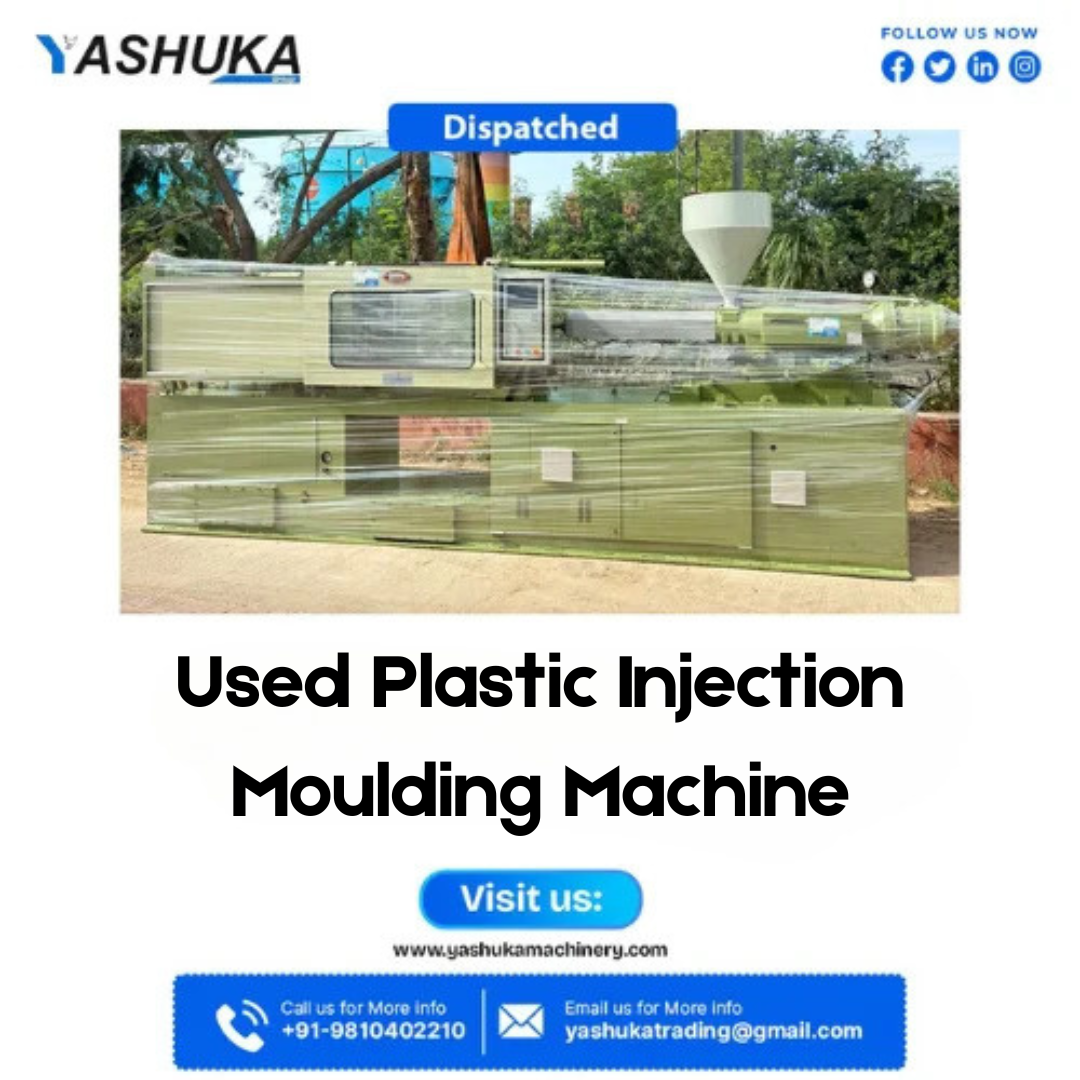
Buy Used Plastic Injection Moulding Machine in Delhi
Used Plastic Injection Moulding Machine: Complete Guide 2025
The plastic manufacturing industry in India is growing rapidly, and businesses are constantly looking for cost-effective solutions to meet production demands. A used plastic injection moulding machine offers an excellent opportunity for manufacturers to expand their capabilities without breaking the bank. Whether you're a startup or an established business looking to add more capacity, understanding the ins and outs of pre-owned injection moulding equipment can help you make a smart investment decision.
What Is a Used Plastic Injection Moulding Machine and How Does It Work?
A used plastic injection moulding machine is a pre-owned industrial equipment that has been previously operated by another manufacturer and is now available for resale. These machines may be refurbished, reconditioned, or sold in their existing condition, depending on the seller and the machine's history.
The working principle remains identical to a new machine. The process begins with plastic raw material, typically in pellet or granular form, being fed into a hopper. From there, the material travels into a heated barrel where a reciprocating screw melts and mixes the plastic to a consistent temperature. Once the plastic reaches the proper molten state, the machine injects it under high pressure into a closed mold cavity. After cooling and solidification, the mold opens, and the finished plastic part is ejected.
The entire cycle can take anywhere from a few seconds to several minutes, depending on the part size, complexity, and material being used. Modern machines, even older models, often include hydraulic, electric, or hybrid drive systems that control the injection speed, pressure, and cooling time with remarkable precision.
Second hand plastic injection moulding machines typically come from facilities that are upgrading to newer technology, downsizing operations, or changing their product lines. This means many of these machines still have significant operational life left and can deliver consistent performance when properly maintained.
Why Used Plastic Injection Moulding Machine in Demand in Indian Market
The Indian manufacturing sector has witnessed tremendous growth over the past decade, particularly in industries like automotive, packaging, consumer goods, and medical devices. All these sectors rely heavily on plastic components, creating a sustained demand for injection moulding equipment.
Several factors contribute to the rising demand for old plastic injection moulding machines in India. The primary driver is cost consideration. New injection moulding machines can cost anywhere from several lakhs to crores of rupees, depending on the tonnage and features. For small and medium enterprises with limited capital, investing in a reconditioned injection moulding machine makes perfect business sense.
Government initiatives like Make in India and Atmanirbhar Bharat have encouraged domestic manufacturing, prompting many entrepreneurs to enter the plastic manufacturing space. These new entrants prefer starting with used equipment to minimize initial investment while they establish their market presence and customer base.
Additionally, the rapid advancement in injection moulding technology means that machines from just five to ten years ago, though technically "used," still incorporate sophisticated features and can produce high-quality parts. Many businesses find that a well-maintained pre-owned injection moulding machine meets their production requirements perfectly without needing the latest technological bells and whistles.
The Indian market also benefits from a robust network of machinery dealers and brokers who specialize in used industrial equipment. These intermediaries have made it easier for buyers to find suitable machines, often providing warranties, installation support, and after-sales service that builds confidence in purchasing used equipment.
Import restrictions and customs duties on new imported machines have also made refurbished plastic injection moulding machines more attractive, especially when sourced domestically. Buyers can inspect these machines personally, verify their condition, and negotiate terms more flexibly than with international purchases.
Benefits of Buying a Used Plastic Injection Moulding Machine for Small & Medium Businesses
For small and medium businesses, the decision to purchase a second hand plastic injection moulding machine can be transformative. The financial advantages alone make it an attractive option, but the benefits extend far beyond just cost savings.
The most obvious benefit is the substantial reduction in capital expenditure. A used machine might cost 40-60% less than a comparable new model, freeing up capital for other critical business needs like raw materials, marketing, or hiring skilled workers. This lower entry barrier allows businesses to enter the plastic manufacturing industry or expand existing capacity with manageable financial risk.
Quick accessibility of pre-owned equipment offers another major benefit. When you order a new machine, especially from international manufacturers, delivery times can stretch from several months to over a year. In contrast, a pre-owned machine is typically available for inspection and can be operational within weeks of purchase. This speed to market can be crucial when you've secured a new contract or need to fulfill urgent customer demands.
Used machines also offer an opportunity to test different technologies and brands before committing to a larger investment. If you're unsure about which tonnage, clamping force, or control system works best for your products, starting with a used machine allows you to gain practical experience. You can always upgrade or add more machines once you've identified your specific requirements.
The depreciation curve works in your favor with used equipment. New machines lose value rapidly in their first few years, but used machines depreciate at a much slower rate. If your business needs change or you decide to upgrade, you can often resell a used machine for close to what you paid, minimizing your losses.
Yashuka Machinery Stand As A Trusted Used Plastic Injection Moulding Machine Manufacturers & Suppliers in Delhi Since 2012
Many used plastic injection moulding machine manufacturers have designed their equipment for longevity. Brands known for durability can deliver decades of reliable service when properly maintained. By purchasing a used machine from a reputable brand, you essentially get proven reliability at a fraction of the original cost.
Tax benefits and accounting flexibility also favor used equipment purchases for many businesses. The lower acquisition cost can sometimes allow you to expense the purchase immediately rather than depreciating it over many years, depending on your tax jurisdiction and accounting practices.
How to Inspect a Used Plastic Injection Moulding Machine Before Purchase
Inspecting a used plastic injection moulding machine thoroughly before purchase is absolutely critical. This step can mean the difference between acquiring a valuable asset and inheriting someone else's maintenance nightmare.
Start your inspection by examining the machine's documentation. Request maintenance records, service history, repair invoices, and operating manuals. A well-documented machine with regular maintenance history indicates responsible previous ownership. Also verify the machine's age, original manufacturer, model number, and specifications to ensure they match the seller's claims.
Physical inspection should begin with the machine's structural integrity. Look for cracks, excessive rust, or damage to the frame and base. Check for oil leaks around hydraulic components, as these suggest worn seals or gaskets. Examine the tie bars for wear, scoring, or uneven marks that might indicate alignment issues.
The injection unit deserves special attention. Inspect the barrel and screw for wear, particularly in the feeding zone. Ask about the barrel's diameter and whether it's been replaced or repaired. Check the nozzle for signs of material degradation or damage. If possible, ask to see the screw removed so you can inspect its flights for wear patterns.
The clamping unit should close smoothly and evenly. Test the mold opening and closing cycles multiple times. Listen for unusual noises, grinding, or hesitation. Measure the daylight (maximum mold height) and verify it matches your requirements. Check the ejector system for smooth operation and adequate stroke length.
Electrical and control systems require careful evaluation. Power up the machine and observe the control panel. All displays, indicators, and switches should function properly. Test the emergency stop button and safety interlocks. If the machine has a programmable controller, review the interface and ensure you or your operators can work with it.
Request a test run with actual material if possible. Watch for consistent cycle times, proper injection pressure and speed, and uniform part quality. Temperature controls should maintain stable settings without excessive fluctuation. Any signs of inconsistent performance during testing should raise red flags.
Hydraulic systems on older machines need particular scrutiny. Check hydraulic oil color and consistency. Cloudy or contaminated oil suggests poor maintenance. Test all hydraulic functions for smooth, responsive operation. Check pressure gauges to ensure they're functioning and showing appropriate readings.
Don't hesitate to bring a qualified technician or machine expert with you during inspection. Their trained eye can spot issues that might escape notice. The cost of hiring an expert for a few hours is minimal compared to purchasing a machine with hidden problems.
Maintenance Tips to Increase the Life of a Used Plastic Injection Moulding Machine
Proper maintenance transforms a used plastic injection moulding machine from a questionable investment into a reliable production workhorse. Establishing a comprehensive maintenance routine from day one protects your investment and ensures consistent output quality.
Daily maintenance tasks form the foundation of machine longevity. Operators should clean the machine thoroughly after each shift, removing plastic residue, dust, and debris. Inspect for any new leaks or unusual sounds during operation. Lubricate moving parts according to the manufacturer's schedule, paying special attention to tie bar bushings, ejector pins, and other sliding surfaces.
Weekly maintenance should include more detailed inspections. Check all safety features and emergency stops to ensure they function correctly. Clean or replace air filters if your machine uses pneumatic components. Review temperature controller accuracy by comparing set points with actual readings using an independent thermometer.
Monthly maintenance tasks dig deeper into the machine's systems. Change hydraulic oil filters and check hydraulic oil condition. Inspect hoses for cracks, bulging, or wear, replacing any that show deterioration. Check heating bands and thermocouples for proper function. Tighten all mechanical fasteners that may have loosened from vibration during operation. Clean the hopper and material feed system thoroughly to prevent contamination.
Quarterly maintenance should involve more extensive checks. Inspect the injection screw and barrel for wear, measuring them against specifications. Check mold platens for parallelism and wear. Inspect the nozzle alignment and replace it if showing signs of damage. Have a qualified electrician inspect electrical connections and control systems. Consider having hydraulic system pressure tested to verify all components operate within specifications.
Annual maintenance represents your opportunity for comprehensive machine overhaul. This is when you should schedule professional servicing from qualified technicians. Complete hydraulic system inspection and oil change should be performed. All seals and gaskets in critical areas should be examined and replaced if needed. Recalibrate control systems and sensors to ensure accuracy. Consider rebuilding worn components like check valves, injection cylinders, or clamping cylinders.
This documentation helps you track maintenance costs, predict when components might need replacement, and provides valuable information if you eventually sell the machine.
Train your operators and maintenance staff properly. Many problems with reconditioned injection moulding machines stem from improper operation rather than mechanical failure. Ensure everyone understands proper startup and shutdown procedures, optimal processing parameters for different materials, and how to recognize early warning signs of problems.
Myths and Facts About Used Plastic Injection Moulding Machines
The market for old plastic injection moulding machines is often clouded by misconceptions that prevent businesses from making informed decisions. Let's separate fact from fiction.
Myth: Used machines are unreliable and break down frequently.
Fact: Reliability depends primarily on maintenance history and inspection quality, not age alone. A well-maintained 15-year-old machine from a quality manufacturer can outperform a poorly maintained 5-year-old machine. Industrial injection moulding equipment is built for decades of operation. Many machines running successfully in factories today were manufactured in the 1990s or early 2000s.
Myth: You cannot find spare parts for older machines.
Fact: Reputable used imported plastic injection moulding machine manufacturers maintain parts availability for decades after discontinuing a model. Additionally, many third-party suppliers manufacture compatible parts for popular machine models. For truly obsolete components, skilled technicians can often fabricate replacements or modify newer parts to fit.
Myth: Used machines consume more energy than new ones.
Fact: Energy consumption depends more on the machine's drive system technology than its age. A used machine with a servo-electric drive system will consume far less energy than a new full-hydraulic machine. However, it's true that older full-hydraulic machines generally consume more energy than modern servo-electric or hybrid systems.
Myth: You get no warranty or support with used equipment.
Fact: Many dealers and refurbishment specialists offer warranties on refurbished plastic injection moulding machines, sometimes ranging from 90 days to a year. Some sellers also provide installation support, operator training, and ongoing technical assistance. The level of support varies by seller, making it important to clarify these terms before purchase.
Myth: Used machines cannot produce quality parts.
Fact: Part quality depends on proper machine setup, mold quality, material selection, and processing parameters, not whether the machine is new or used. A properly maintained pre-owned injection moulding machine with appropriate specifications can produce parts that meet the most demanding quality standards, including those required for automotive and medical applications.
Myth: Used machines are only suitable for low-volume production.
Fact: Production volume capability depends on machine specifications, not age. A used high-tonnage machine with proper cycle time can handle large-volume production just as effectively as a new machine. Many large manufacturers run mixed fleets that include both new and used equipment operating side by side.
Myth: Financing is not available for used equipment.
Fact: While financing terms might differ slightly, many banks, equipment financing companies, and even some dealers offer financing options for used machinery. The lower purchase price often makes financing easier to obtain and results in lower monthly payments than new equipment financing.
Understanding these realities helps you approach the used machinery market with appropriate expectations and confidence.
Common Applications of Used Plastic Injection Moulding Machines
Second hand plastic injection moulding machines find applications across virtually every industry that uses plastic components. Understanding these applications helps you appreciate the versatility and value these machines offer.
The automotive industry represents one of the largest consumers of injection moulded plastic parts. Components like dashboard elements, door handles, interior trim, under-hood parts, bumper components, and countless other pieces come from injection moulding machines. Many automotive component suppliers successfully use used machines to produce these parts, meeting stringent quality requirements while maintaining competitive pricing.
Consumer goods manufacturing relies heavily on injection moulding for producing items like storage containers, toys, household appliances, kitchenware, and personal care product packaging. Small and medium businesses in this sector often prefer reconditioned injection moulding machines as they allow production of multiple product lines without massive capital investment.
The packaging industry uses injection moulding extensively for creating caps and closures, bottles, jars, containers, and specialized packaging solutions. Many packaging manufacturers operate fleets of used machines that deliver consistent quality and high-volume production capabilities at a lower cost than new equipment.
Medical and pharmaceutical industries, while having strict regulations, also utilize used machines for producing non-critical components like syringe bodies, vial caps, medical device housings, and pharmaceutical containers. When properly qualified and validated, a pre-owned injection moulding machine can meet FDA and ISO requirements for medical manufacturing.
Electronics manufacturing depends on injection moulding for producing cases, connectors, internal components, cable management parts, and protective elements. The ability to produce small, precise parts with tight tolerances makes injection moulding ideal for this sector, and used machines handle these requirements effectively when properly maintained.
Construction and hardware industries use injection moulded components for pipe fittings, electrical boxes, fasteners, tool handles, and numerous other applications. The durability required in these applications aligns well with the capabilities of quality used machines.
Agricultural sector applications include irrigation components, greenhouse parts, animal husbandry equipment, and protective covers. Many agricultural product manufacturers prefer used equipment to keep production costs aligned with their typically price-sensitive markets.
Custom molding businesses that produce parts for various industries often build their capacity using a mix of new and used equipment. This strategy allows them to offer competitive pricing while maintaining the flexibility to serve diverse customer needs.
Common Problems in Used Plastic Injection Moulding Machines and How to Avoid Them
Understanding common problems that affect old plastic injection moulding machines helps you prevent costly downtime and maintain consistent production quality.
Inconsistent shot size represents one of the most frequent issues. This problem manifests as parts with varying weights or dimensions across cycles. Common causes include worn check valves, damaged injection screw or barrel, or faulty pressure sensors. Prevent this by regularly inspecting the injection unit, replacing worn components promptly, and maintaining consistent material feed and temperature.
Short shots, where the mold cavity doesn't fill completely, often result from insufficient injection pressure, low material temperature, blockage in the nozzle, or air trapped in the mold. Address this by verifying machine settings match material requirements, regularly cleaning the nozzle, and ensuring proper venting in the mold design.
Flash or excess material appearing along parting lines indicates excessive injection pressure, worn mold surfaces, insufficient clamping force, or poor mold alignment. Fix this by adjusting injection parameters, inspecting and maintaining mold surfaces, and verifying proper machine tonnage for the mold size.
Burn marks on parts signal material degradation from excessive temperature, trapped air burning during injection, or overly long residence time. Prevent burns by optimizing barrel temperature profiles, ensuring proper venting, and avoiding unnecessarily long heating cycles.
Hydraulic oil leaks are common in older machines with deteriorated seals and gaskets. Regular inspection and preventive seal replacement before visible leaking begins saves production time and prevents environmental issues. Maintain proper oil viscosity and cleanliness to extend seal life.
Control system failures in older machines may result from aged electronic components, corroded connections, or software issues. Protect electronics from moisture and extreme temperatures. Consider upgrading control systems on very old machines if replacement parts become unavailable.
Uneven mold wear creates quality issues and requires frequent mold adjustments. This often stems from misaligned platens or worn tie bar bushings. Regularly check and maintain platen parallelism, and replace worn guide components before they damage expensive molds.
Temperature fluctuations disrupt process stability and part quality. Aging heater bands, failing thermocouples, or malfunctioning controllers cause this problem. Implement regular calibration schedules and replace temperature control components at the first sign of inconsistency.
Contamination issues from dirty hoppers, degraded material in the barrel, or external debris affect part quality and can damage the injection screw. Establish strict material handling procedures, clean hoppers regularly, and purge the system when changing materials or colors.
Excessive cycle time variations reduce productivity and complicate production planning. This can result from inconsistent cooling, hydraulic system problems, or control system issues. Monitor cycle times closely and investigate any deviations immediately to identify root causes.
Preventing these problems requires combining proactive maintenance with operator vigilance. Train operators to recognize early warning signs and empower them to report issues before they escalate. Many expensive repairs begin as small problems that were ignored or went unnoticed.
What Brands Offer Durable Used Plastic Injection Moulding Machines
When shopping for a pre-owned injection moulding machine, brand reputation provides valuable insight into likely durability, parts availability, and long-term reliability. Several manufacturers have established track records for building machines that deliver decades of service.
Japanese manufacturers have earned worldwide respect for precision engineering and longevity. Brands like Nissei ( NESSEI Horizontal Plastic Injection Moulding Machine ) , Sumitomo, Toshiba , Mitsubishi, and Fanuc produce machines known for tight tolerances, advanced controls, and exceptional build quality. These machines often command premium prices even in the used market, but their reliability and precision justify the investment for applications requiring consistent quality.
European manufacturers bring different strengths to the table. Austrian brand Engel is renowned for tie-bar-less designs and hybrid technology. German manufacturer Arburg produces machines with exceptional precision and user-friendly controls. Italian company Negri Bossi offers robust machines popular in the European market. These European brands typically feature excellent build quality and sophisticated control systems.
American manufacturers like Husky (Canadian-American) specialize in high-speed, high-cavitation systems ideal for packaging applications. Cincinnati and Van Dorn (now largely absorbed into other brands) built countless machines that still operate in facilities worldwide, testament to their durability.
Asian manufacturers beyond Japan have also built strong reputations. Taiwanese brands like Chen Hsong, Fu Chun Shin, and Tederic offer good value with decent reliability. Chinese manufacturers like Haitian have improved quality significantly in recent years, offering affordable options that work well for less demanding applications.
Indian manufacturers including Electronica, Windsor, and others have built machines serving the domestic market for decades. These brands offer advantages in parts availability and local service support, making them attractive options for the Indian market despite sometimes lacking the precision of premium international brands.
When evaluating brands, consider not just the manufacturer's overall reputation but also the specific model and year. Every manufacturer has produced both exceptional and problematic models throughout their history. Research specific model reviews and seek feedback from current users when possible.
Parts availability should heavily influence your brand selection. Popular brands with large installed bases typically have better parts availability and more service technicians familiar with their systems. Obscure brands or discontinued models may leave you struggling to find replacement components.
The availability of upgrade paths represents another consideration. Some manufacturers offer retrofit kits that allow you to modernize control systems, add servo drives, or upgrade safety features on older machines, extending their useful life and improving performance.
Consider also the type of drive system when evaluating brands. Some manufacturers specialize in full-hydraulic machines, others in all-electric systems, and many now offer hybrid options. Each technology has its place, and your application requirements should guide your selection.
Contact Yashuka Machinery For Used Injection Molding Machines At Best Price in Delhi
If you're searching for a reliable partner for acquiring a used plastic injection moulding machine, Yashuka Machinery has established itself as a trusted name in the Delhi region and beyond. With years of experience in the industrial machinery sector, we understand that purchasing used equipment requires confidence in both the machine and the supplier.
Yashuka Machinery specializes in providing quality second hand plastic injection moulding machines that have been thoroughly inspected and verified for performance. Our inventory includes machines from leading manufacturers across various tonnages and specifications, ensuring we can match your production requirements regardless of your industry or application.
What sets Yashuka Machinery apart is our commitment to transparency and customer satisfaction. Every machine in our inventory comes with detailed documentation including maintenance history, technical specifications, and honest assessment of condition. We encourage prospective buyers to visit our facility, inspect machines personally, and even run test cycles before making a purchase decision.
Our team of experienced technicians can provide guidance on selecting the right machine for your specific needs. Whether you're producing automotive components, packaging materials, consumer goods, or custom parts, we help you identify the machine specifications that will optimize your production efficiency and product quality.
Beyond just selling machines, Yashuka Machinery offers comprehensive support services. We assist with installation, provide operator training, and offer ongoing technical support to ensure your investment delivers maximum value. Our parts supply network helps you source replacement components quickly when needed, minimizing downtime.
Located in Delhi, we serve customers throughout North India and beyond. Our strategic location provides convenient access for buyers from Punjab, Haryana, Rajasthan, Uttar Pradesh, and neighboring states. We also arrange transportation and logistics for customers from other regions of India.
Competitive pricing is fundamental to our business model. We work directly with sellers and maintain low overhead costs, allowing us to offer refurbished plastic injection moulding machines at prices that fit your budget without compromising on quality. Our flexible payment terms and financing assistance help businesses of all sizes access the equipment they need.
For businesses taking their first steps into plastic manufacturing or established companies looking to expand capacity, Yashuka Machinery provides the expertise and inventory to support your growth. We view every sale as the beginning of a long-term relationship, not just a transaction.
To explore our current inventory, discuss your specific requirements, or schedule a machine inspection, contact Yashuka Machinery today. Our knowledgeable team is ready to answer your questions and help you find the perfect used plastic injection moulding machine for your business.
Ready to invest in quality used injection moulding equipment? Contact Yashuka Machinery now to discover how we can help you acquire reliable, cost-effective machinery that drives your business forward. Get in touch with us for personalized consultation, competitive pricing, and machines you can trust.


